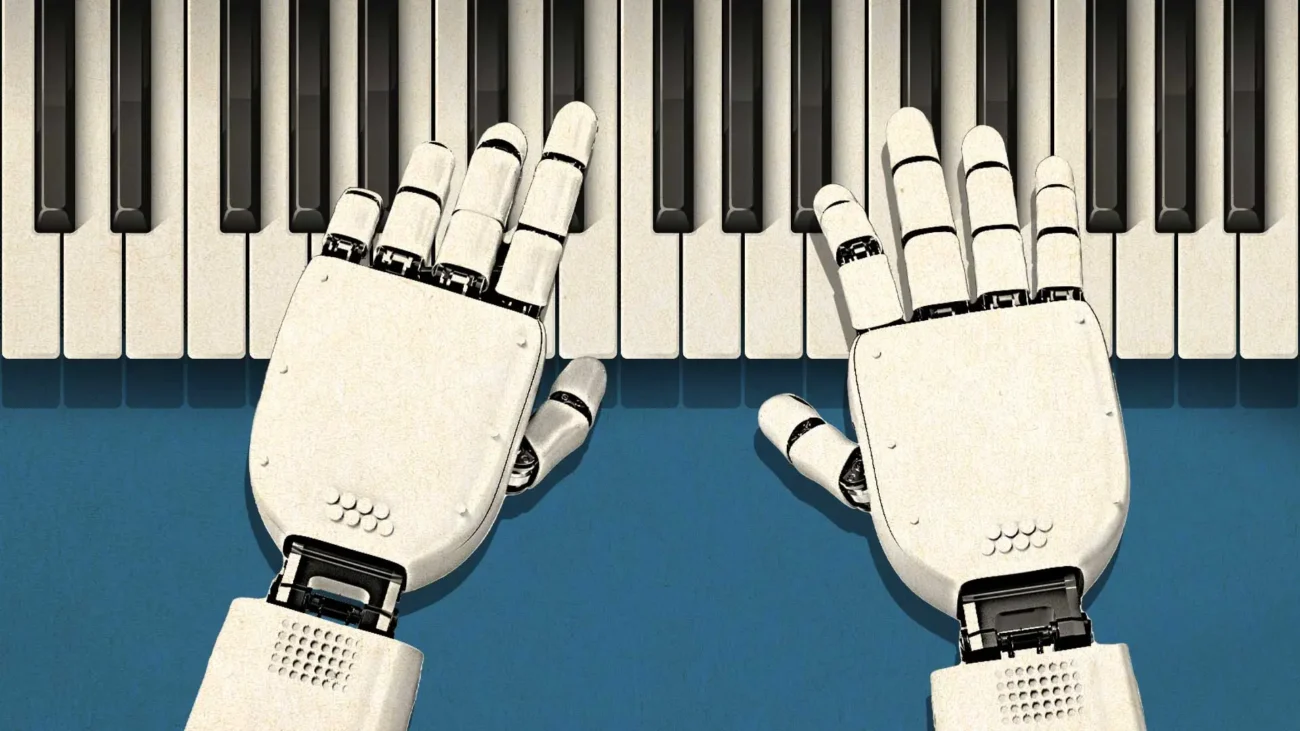
The pulsing lights, the carefully orchestrated crowd energy, the calculated drops that send thousands into euphoria—step into any major bass music festival and you’ll witness a masterclass in psychological manipulation that would make casino executives take notes. The parallels between how electronic dance music producers craft their sets and how casinos engineer their gaming floors are striking, revealing sophisticated strategies designed to capture and hold human attention through carefully calibrated reward systems.
The Architecture of Anticipation

Like the strategic design of Danny Dollar Hacksaw, casinos are masterclasses in environmental psychology no clocks, no windows, just a maze of calculated temptation. Bass music festivals mirror this perfectly. Bass music festivals employ remarkably similar environmental psychology. The stage design creates a contained universe where time becomes fluid, with immersive visuals and sound systems that envelope attendees in a sensory bubble disconnected from the outside world.
Both environments understand that controlling the physical space means controlling the psychological experience. Casinos use carpet patterns and lighting to guide foot traffic toward high-value games, while festival organizers position bass-heavy stages in areas where sound can reverberate and trap audiences in acoustic pockets of maximum impact.
The Science of the Build and Drop
The fundamental structure of bass music—tension, anticipation, and explosive release—mirrors the psychological mechanics that make gambling addictive. A skilled bass producer builds tension through rising synths, filtered vocals, and gradually increasing BPMs before delivering the drop that floods listeners’ brains with dopamine. This is identical to how slot machines use near-misses and building jackpot sounds to create anticipation before the potential payout.
Neuroscientist Dr. Robert Sapolsky’s research on intermittent reinforcement explains why both experiences are so compelling. The brain releases more dopamine during the anticipation of a reward than during the reward itself. Bass music producers exploit this by extending build-ups and using false drops—moments where the expected release is delayed, heightening the eventual payoff.
Variable Reward Schedules in Sound Design
Casinos never let players know exactly when they’ll win, creating what behavioral psychologists call a “variable ratio schedule” of reinforcement—the most addictive pattern of rewards known to science. Bass music employs the same principle through unpredictable song structures, unexpected breakdowns, and surprise collaborations that keep audiences guessing.
Festival sets rarely follow predictable patterns. A headlining DJ might play three heavy bangers followed by a melodic interlude, then launch into an unreleased track that catches even seasoned fans off guard. This unpredictability keeps the audience’s attention locked in, constantly wondering what sonic surprise awaits around the next beat.
Social Proof and Crowd Psychology

Both casinos and bass music events leverage social proof to amplify individual experiences. Casinos position winning slot machines near entrances and walkways, ensuring that jackpot celebrations are visible to as many people as possible. Similarly, bass music festivals are designed as communal experiences where individual enjoyment is magnified by collective energy.
The phenomenon of “crowd synchronization” during bass drops serves the same psychological function as seeing other people win at gaming tables. When thousands of people simultaneously throw their hands up during a perfectly timed drop, it validates and intensifies each individual’s experience, making them more likely to seek out similar events in the future.
The Economics of Loyalty and Exclusivity
High-roller casino programs and VIP festival packages operate on identical principles of manufactured exclusivity. Casinos offer comp rooms, private gaming areas, and personal hosts to keep valuable customers engaged. The bass music industry has perfected this through artist loyalty programs, exclusive merchandise drops, and VIP experiences that provide behind-the-scenes access.
Both industries understand that the most valuable customers aren’t necessarily those who spend the most money once, but those who develop emotional loyalty and return repeatedly. Limited-edition vinyl releases and exclusive festival camping packages create artificial scarcity that drives demand and builds community around the brand.
Sensory Overload as Strategy
Casinos bombard visitors with flashing lights, constant sounds, and complex visual stimuli that overwhelm decision-making faculties and encourage impulsive behavior. Bass music festivals take this approach even further, creating multi-sensory experiences that can include pyrotechnics, lasers, fog machines, and LED installations synchronized to the music.
This sensory overload serves a dual purpose: it creates memorable peak experiences that attendees want to recreate, while simultaneously reducing analytical thinking that might otherwise lead people to question their spending decisions or time investment.
The Mastery of Timing and Pacing
Experienced casino floor managers understand the importance of pacing—when to offer drinks, when to provide encouragement, when to suggest trying a different game. Bass music DJs demonstrate similar expertise in reading room energy and adjusting their sets accordingly. A skilled headliner knows when the crowd needs a moment to breathe, when to push energy levels higher, and when to deliver the signature tracks that will create lasting memories.
Both environments require split-second decisions based on real-time feedback from the audience or players. The most successful practitioners in both fields develop an almost supernatural ability to sense collective mood and respond with precisely calibrated stimuli.
The Dark Side of the Parallel
While these comparisons reveal sophisticated understanding of human psychology, they also raise important questions about consent and manipulation. Casinos have faced increasing regulation as society recognizes the potential for exploitation, particularly among vulnerable populations. The bass music industry has largely avoided similar scrutiny, despite employing many of the same psychological techniques.
The key difference may lie in outcomes: while casino tactics can lead to financial ruin and addiction, bass music experiences typically result in positive memories and community building. However, the FOMO culture surrounding exclusive events and the pressure to attend multiple festivals can create its own forms of problematic behavior.
Lessons for Other Industries
The sophistication of both casino and bass music psychology offers valuable insights for any business seeking to create engaging experiences. The most important lesson is that emotional engagement requires careful attention to pacing, environment, social dynamics, and reward structures. Whether you’re designing a retail space, planning a corporate event, or developing a digital product, understanding these principles can help create more memorable and effective experiences.
The most successful applications focus on creating genuine value and positive outcomes for participants, rather than pure manipulation. The bass music industry’s emphasis on community building and shared joy demonstrates how psychological insights can be used ethically to enhance rather than exploit human nature.
As both industries continue to evolve, their strategies will likely become even more sophisticated, incorporating new technologies like virtual reality and biometric feedback to create even more immersive and precisely tailored experiences. Understanding these techniques—both their power and their potential for misuse—becomes increasingly important for anyone navigating our attention-driven economy.
The beat drops, the lights flash, the crowd roars, and the dopamine flows. Whether you’re at Electric Daisy Carnival or the Bellagio, you’re experiencing decades of research into human psychology distilled into environments designed to capture and hold your attention. The question isn’t whether these techniques work—it’s how we choose to use that knowledge.
